






The Complex World of Jueteng and Its Impact on Society
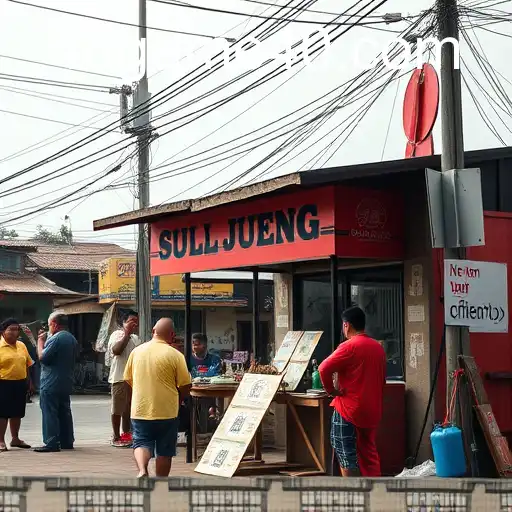
The Complex World of Jueteng and Its Impact on Society
Understanding Jueteng
Jueteng is a well-known numbers game that has become deeply rooted in Filipino culture. Despite being illegal, it continues to thrive in various parts of the country due to its simplicity and accessibility. This game involves betting on combinations of numbers, and its allure comes from both the potential monetary rewards and its representation as a symbol of defiance against authority.
The Historical Roots of Jueteng
Jueteng's origins can be traced back to the period when the Philippines was under Spanish colonial rule. Initially, it was a diversion among the rural folk, with cobbled versions played among small communities. Over the decades, Jueteng evolved into an organized operation involving local collectors and financiers known as "kubradores," "cobradores," and "capitalistas," respectively. Despite several governmental efforts to curtail the illegal activity, Jueteng remains vibrant due to its adaptability and deep integration into local traditions.
The Mechanics Behind the Game
The game is played by choosing a combination of two numbers ranging from 1 to 37, and sometimes more, depending on the local setup. Bets can be placed for as low as a few cents, attracting a large customer base. The winning numbers are derived via a draw, often conducted in secrecy to elude law enforcement. While the game may seem straightforward, its clandestine nature demands a sophisticated network for it to operate efficiently.
Jueteng and Its Societal Dimensions
At its core, Jueteng is more than just an illicit numbers game; it functions as an economic subsystem within many Filipino communities. It provides livelihood opportunities to thousands involved in its operations, from the street-level collectors to the financiers and even local officials who may receive protection money. This economic aspect has led many to argue for its legalization and regulation, given that it sustains so many lives caught in a cycle of poverty.
The Role of Politics in Jueteng
Jueteng has long been intertwined with Philippine politics. Politicians often turn a blind eye to its operations in exchange for financial backing during elections, complicating efforts to eradicate or regulate the game. This web of connections portrays Jueteng not merely as a social vice but also as a tool wielded by influential figures within the political arena.
The Cultural Significance of Jueteng
Deep-seated cultural factors contribute to the persistence of Jueteng. In many Filipino communities, the game serves as a social equalizer, offering hope and excitement in the face of economic hardship. It fosters a sense of community among its players, who often come together during draws, turning them into social events. Jueteng's cultural resonance makes it a challenging social issue that extends beyond legality and governance.
Why Jueteng Persists
The stubborn prevalence of Jueteng is attributed to multiple factors: economic desperation, political leniency, and cultural entrenchment. Efforts to eradicate the game have often been met with resistance, not just from those who benefit directly but from entire communities that depend on the game for social and economic reasons. Furthermore, sporadic crackdowns do little to address the root causes driving people to engage in Jueteng in the first place.
The Argument for Legalization
Given Jueteng's pervasive impact on society, there have been ongoing debates about its legalization. Proponents argue that legalization could regulate the industry, provide much-needed tax revenue, and dismantle illegal syndicates controlling the game. However, detractors warn that legalizing may further entrench the socio-economic divisions it seeks to address unless paired with comprehensive social reforms.
The Connection to "game40"
In recent years, the lure of Jueteng has been linked with various iterations like "game40," a reference to more contemporary versions of number games that incorporate traditional elements of Jueteng. These adaptations reflect attempts by organizers to modernize the game, appeal to broader audiences, and sidestep legal crackdowns while continuing to offer the same excitement and hope to its players.
Current Challenges and Future Prospects
The future of Jueteng amidst continuous socio-economic transformations remains uncertain. While the game persists, changes in technology, law enforcement, and policy might eventually disrupt its operations. The challenge lies in balancing harsh crackdowns with understanding and addressing the underlying socio-economic issues that keep the game alive. A comprehensive approach that involves stakeholders from all levels—local communities, policymakers, and law enforcement—is essential for any lasting change.
In conclusion, Jueteng embodies a complex intersection of culture, economy, and politics. Its continued existence reflects the broader challenges faced by Filipino society, offering a lens through which socio-political issues related to governance, equity, and cultural identity can be examined.
KingOfTheSky: The Ultimate Aeronautical Adventure

Explore the thrilling world of KingOfTheSky, where strategy meets aerial combat in an immersive gaming experience.
2026-02-08
Step into the Exciting World of ChickenFarm: An In-Depth Look at the Latest Gaming Sensation

Explore the captivating universe of ChickenFarm, a new gaming experience that's taking the digital world by storm. Delve into its intriguing features, gameplay mechanics, and the buzz around its launch.
2026-02-07
Exploring the Allure of RoyalFlashBuyBonus: An In-Depth Look at This Thrilling Game

Dive into the captivating world of RoyalFlashBuyBonus, a game combining the excitement of strategic gameplay with the opportunity for thrilling bonuses.
2026-02-06
BattleRoosters: A Feathered Frenzy with Game40 Strategy

Explore the chaotic world of BattleRoosters, a dynamic game with strategic depth and thrilling gameplay.
2026-02-05

 download apk/ios